Impact Stories
Impact Stories
Five women's cooperatives — registered businesses making soap, baking bread, and running waste collection services — were built from the ground up by women who once traded from petty stalls.
Turning a savings group into a registered business is a bigger leap than it sounds — and LEWAF's "Building the Capacity of Women Petty Traders" project, funded by OSIWA, took that leap five times over. Five existing Community Women's Savings and Loaning Association (CWSLA) groups were transformed into fully registered Small and Medium Enterprises, each owned and managed by 40 women holding shares in the business.
Each cooperative chose a business line within its members' own know-how: GBOTIMA Women's Cooperative (Upper Mayenkineh, Calaba Town) and MAMISH Women's Cooperative (Pamaronkoh, Calaba Town) both took up soap production and sales. WAN-DESTINY Women's Cooperative (Lower Mayenkineh, Calaba Town) went into bread baking under the motto "Bread for Life." AMOULOMA Women's Cooperative (Grafton, Western Rural) and WOMEN'S HELP Cooperative (Old Allen Town Road, Calaba Town) both established community household waste collection and disposal services.
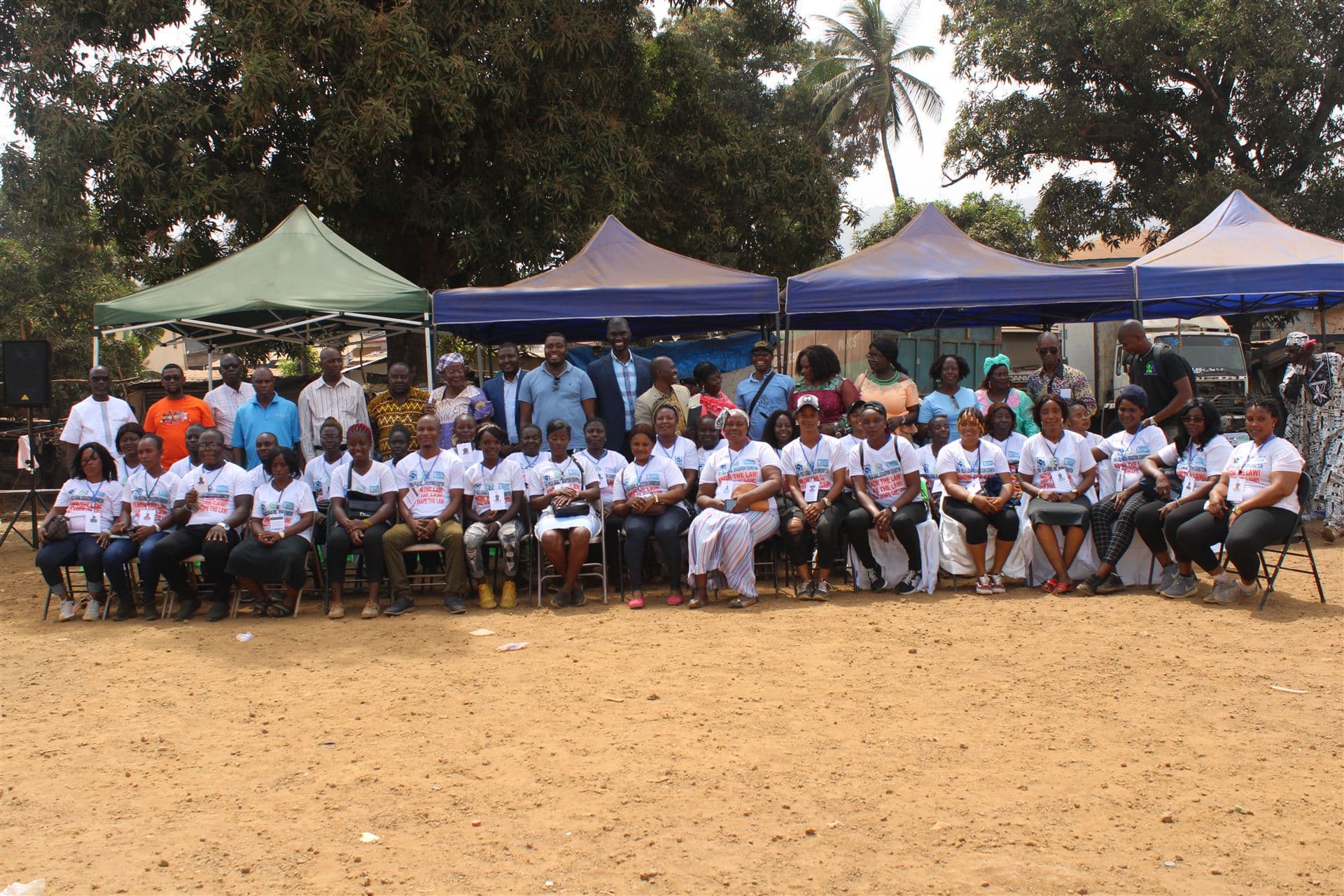
Every cooperative was set up with real business infrastructure: an operational bank account with Rokel Commercial Bank, official letterheads and stamps, purchase and sales ledgers, a certified corporate constitution, a dedicated business phone line, and a proper shop or office space secured through a formal tenancy agreement. Forty women from across the five cooperatives were identified and trained as management teams — general managers, finance officers, production officers, sales and marketing officers — through an eight-module Business Development and Leadership curriculum.
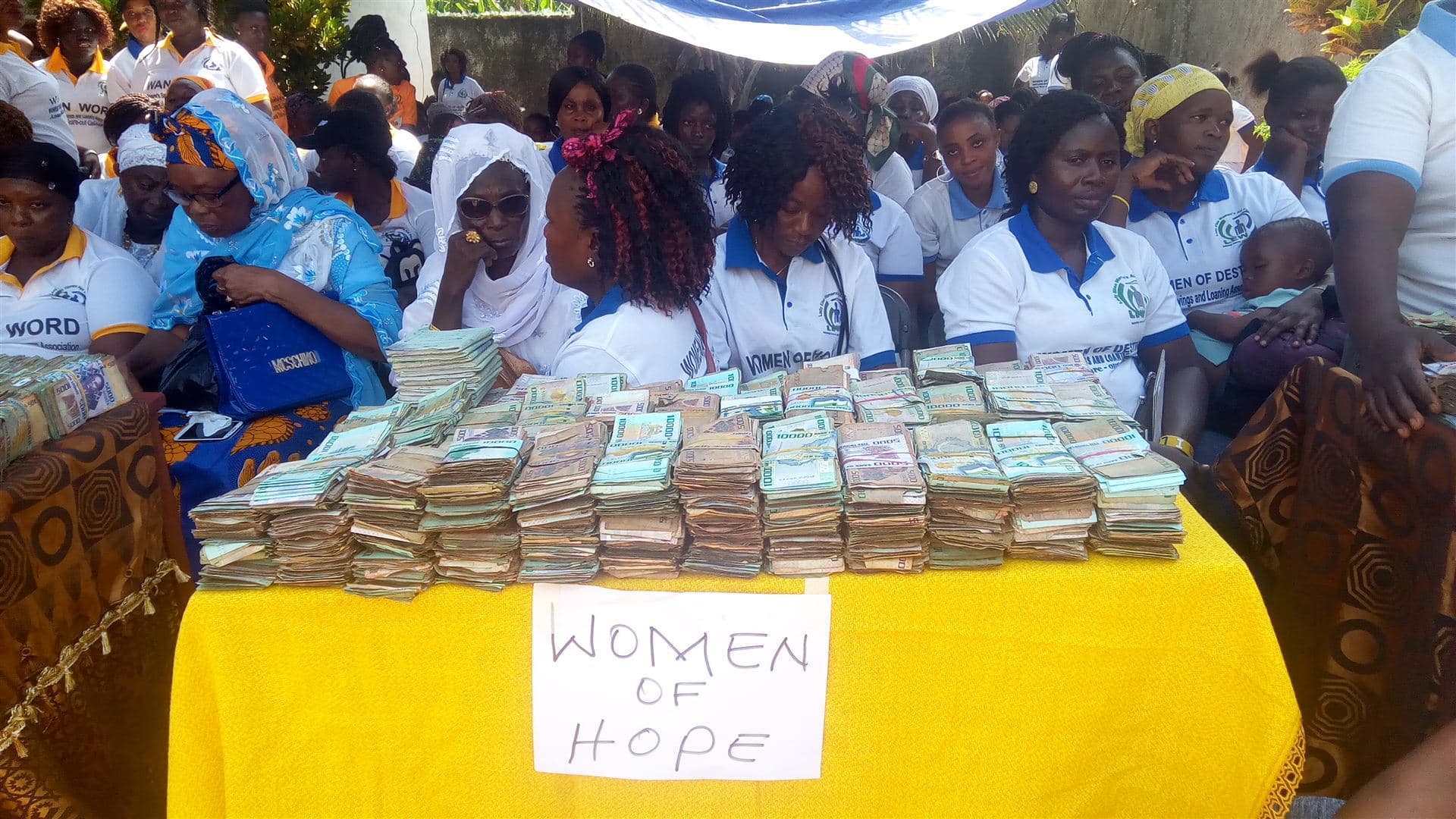
Here's the detail that surprised even LEWAF's own project team: donor funding did not cover the shops, equipment, or rent. The women themselves committed the start-up capital — contributing Le 500,000 each from their own annual savings share-out to get their cooperative off the ground. When some women couldn't front the full amount on share-out day, LEWAF authorized their existing CWSLA groups to loan it to them internally, rather than let anyone miss the opportunity.
"If the environment is created and opportunities are readily available, women can willingly contribute their hard-earned resources to development efforts that has the potential to restore their value, dignity and respect in their homes and communities."
All five cooperatives are now registered with the Corporative Society of Sierra Leone and trading — proof that with the right combination of legal literacy, savings discipline, and business training, market women can become company owners on their own terms.
Share this story