Impact Stories
Impact Stories
Twenty women were transformed from petty traders into Community-Based Justice Advocates — a frontline network bringing justice to the doorstep of Sierra Leone's most vulnerable communities.
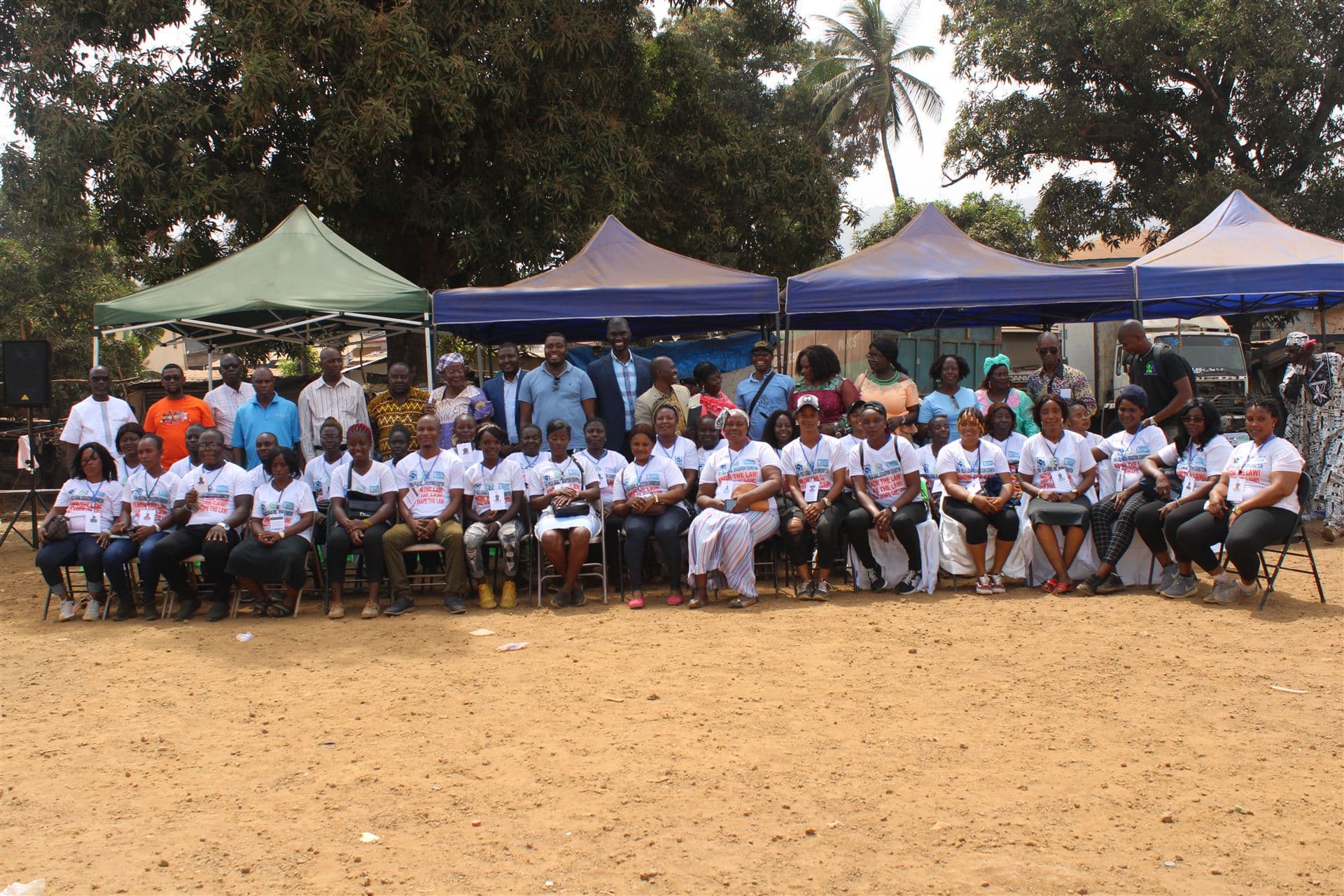
In communities across the Western Area of Sierra Leone, justice has a new face — and it belongs to twenty women who once sold goods in local markets. Today, they are Community-Based Justice Advocates (CBJAs), a frontline network trained and positioned by LEWAF to bring law enforcement, service delivery, and policy advocacy directly into the communities that need it most.
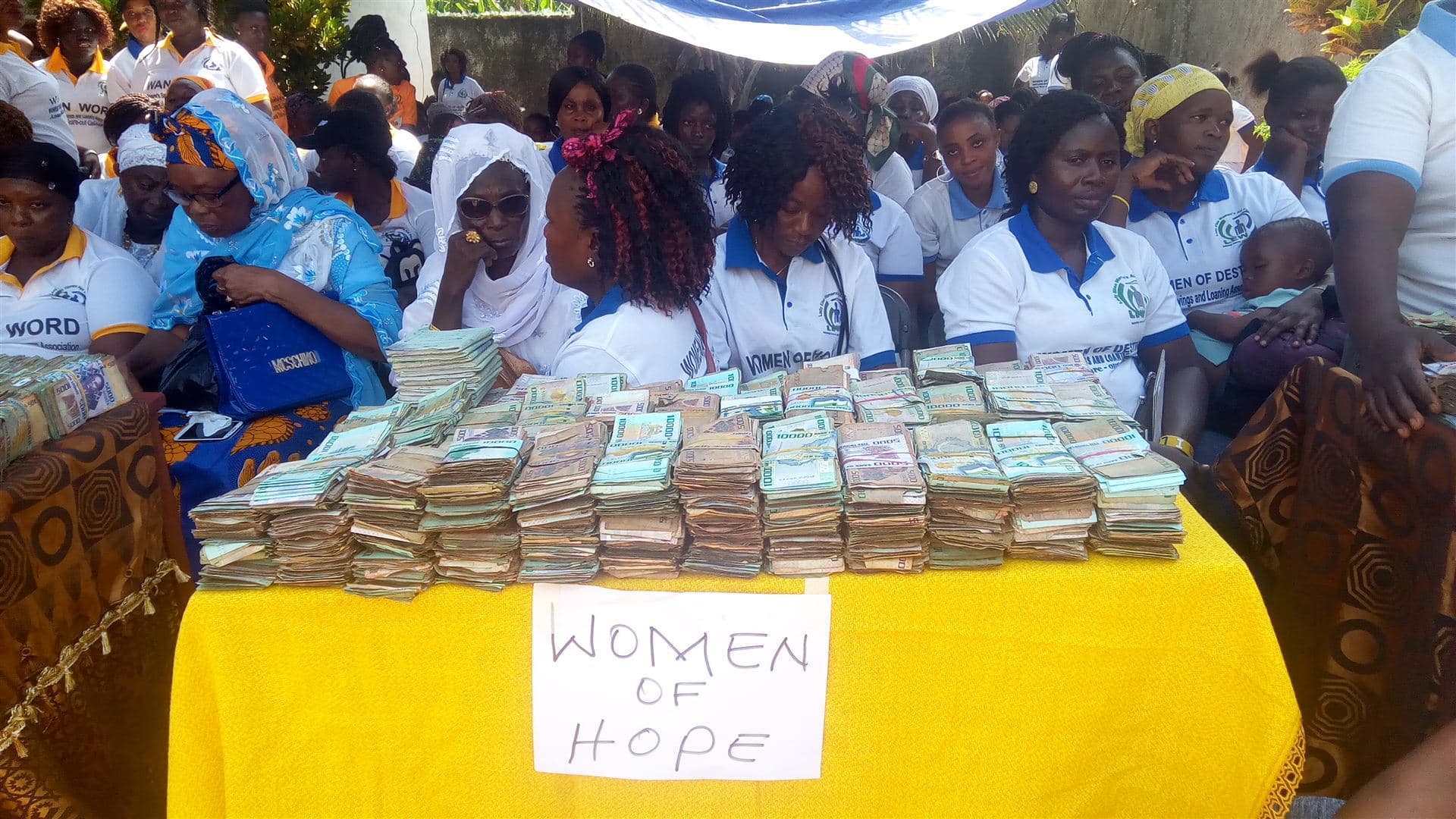
The CBJAs weren't chosen at random. They emerged from LEWAF's integrated Legal and Economic Empowerment initiative, in which 1,300 women petty traders first completed specialized legal education in five areas of Sierra Leonean law. From there, the most engaged learners — women who kept returning to LEWAF's offices for legal resources and rated in the top tier of commitment — were supported into Small and Medium Enterprises, gaining the economic footing to take on a public, sometimes risky, advocacy role. Twenty of those women, ten based in Western Area Rural and ten in Western Area Urban, were positioned as CBJAs.
The CBJAs don't wait for cases to come to formal courts. They monitor community disputes, support victims directly, and help women navigate justice pathways safely — often in the same markets and neighbourhoods where they once sold soap or bread. It is justice delivered by neighbours, not strangers.
What sets the CBJAs apart is that they don't just respond to individual cases — they organize around systemic change. Through three strategic partnership meetings facilitated by LEWAF's legal team, the CBJAs deliberated and adopted six policy resolutions addressing gaps in Sierra Leone's gender laws, including ending all forms of compromise in Sexual and Gender-Based Violence (SGBV) cases, increasing prosecution and conviction rates, and providing safe homes for survivors during investigations and trials.
They then took those resolutions directly to the institutions with the power to act on them — the Human Rights Commission of Sierra Leone, the Legal Aid Board, and the Western Area Rural District Council — presenting each as a formal position paper.
The initiative to engage women of the rural district in direct legal education was classed by the Chairman of the WARD C, Mr Kasho J. Hollande-Cole, as "a novelty in our society in Sierra Leone."
Twenty women, drawn from petty trading tables across Sierra Leone, are now a recognized force for people-centred justice — proof that when women understand their rights and gain economic footing, they don't just protect themselves. They organize to protect everyone.
Share this story