Impact Stories
Impact Stories
What started as a 12-month paralegal pilot in a single community has grown into a legal empowerment movement spanning Sierra Leone's Western Area and beyond.
Sierra Leone was one of only nine countries chosen worldwide to pilot the Open Society Foundation's Legal Empowerment Shared Framework, and LEWAF was one of the first national NGOs recruited by the Open Society Initiative for West Africa (OSIWA) to test the model. What has followed is a decade-long arc from a single-community pilot to a recognized national legal empowerment network.
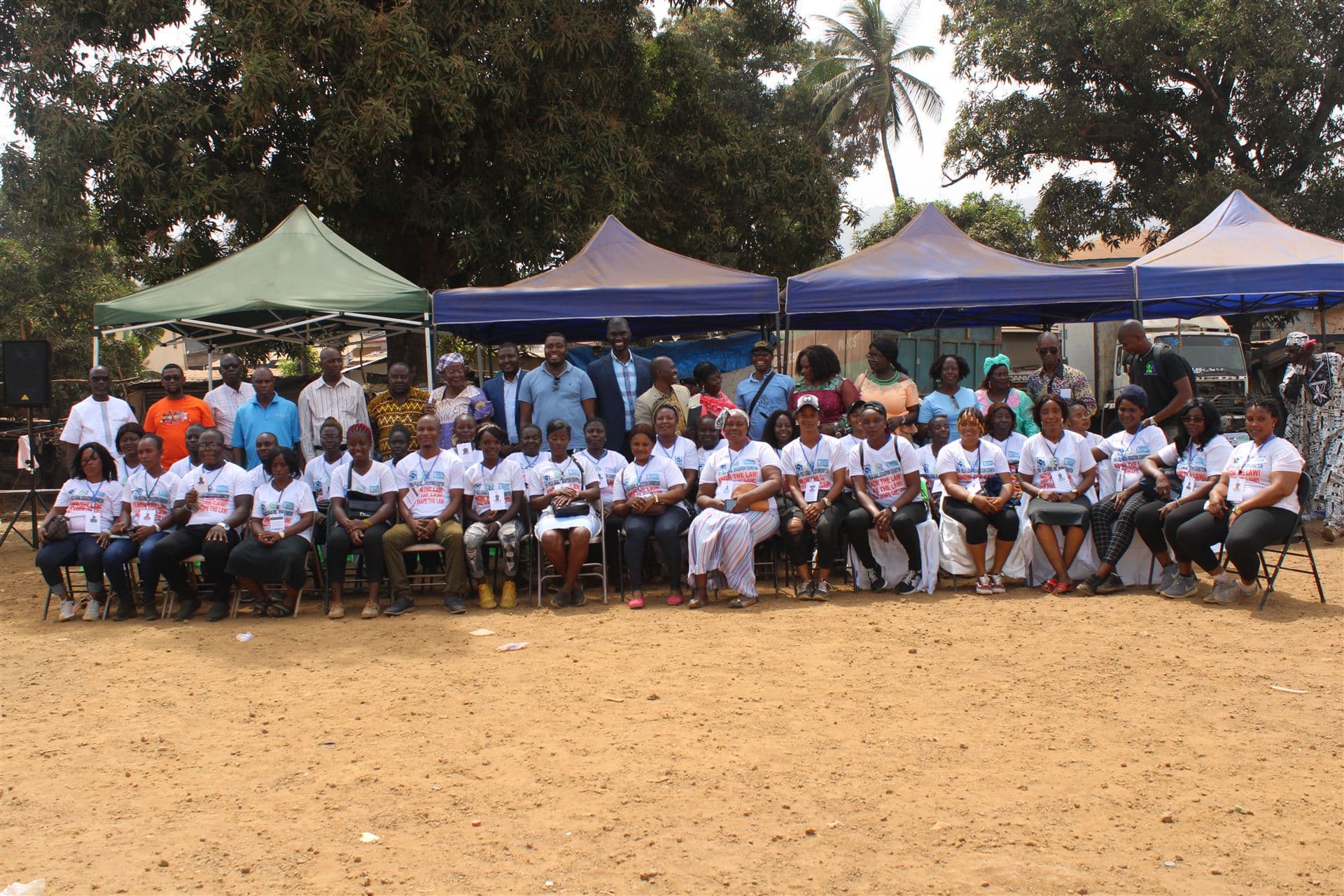
LEWAF's first OSIWA-funded project recruited and trained six community paralegals — four men and two women — to serve Waterloo, working alongside a retained lawyer for technical guidance. Over twelve months, more than 5,000 residents were reached through legal education, 2,212 people physically visited the new paralegal offices, and 296 cases were admitted, of which 247 were resolved — 172 of those through mediation rather than costly litigation. A 30-member Community Oversight Committee was established to help sustain the work beyond the grant period.
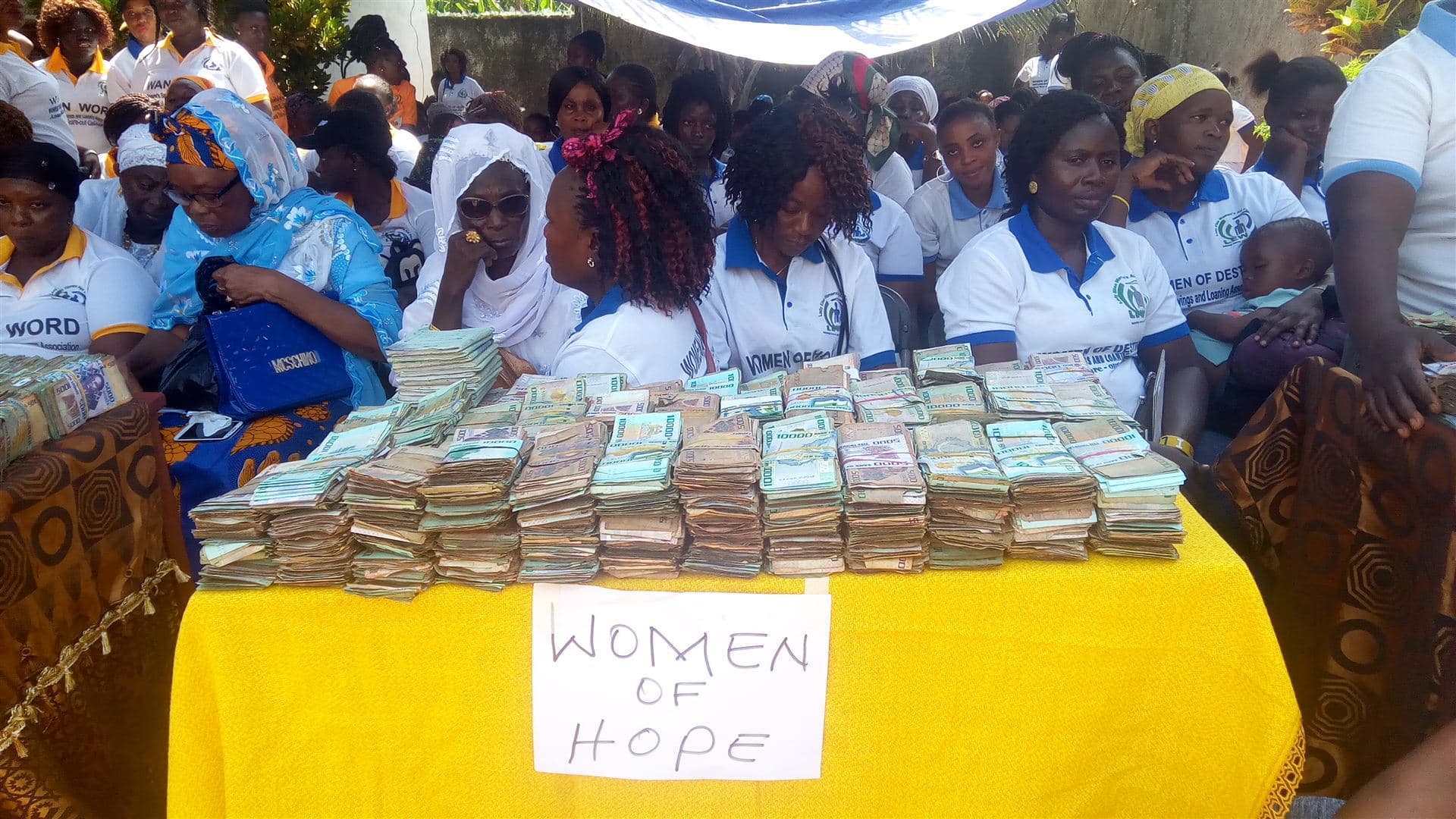
Building on that foundation, LEWAF's next OSIWA project combined legal education with economic empowerment for the first time: 1,300 women petty traders completed specialized legal education, five of their savings groups became registered SME cooperatives, and 20 of those women were positioned as the first Community-Based Justice Advocates — whose advocacy work helped drive the Sexual Offences Amendment Act into law in September 2019.
By 2024, LEWAF's model had matured enough to become the vehicle for a formal Service Level Agreement with Sierra Leone's own Ministry of Gender and Children's Affairs — "Expanding Easy Access to Financial and Justice Services for Women Survivors of SGBV." Under that agreement, 1,009 more women joined savings groups across 13 communities, and LEWAF's PLATE legal aid model resolved dozens of new cases through its four community offices.
Along the way, LEWAF became a core member of the Grassroots Justice Network — Africa (GJN-Africa), joining fellow network members in Banjul, Gambia in 2024 to present evidence-based cases directly to the Commissioners of the African Commission on Human and Peoples' Rights (ACHPR) and the UN Special Rapporteur on the Independence of Judges and Lawyers.
From six paralegals in one community to a Ministry-level partner and continental advocate — the throughline has never changed: put the law directly in the hands of the women who need it most, and trust them to use it.
Share this story